Children at Risk
Protecting children through crisis and recovery.
Our deepest commitment.
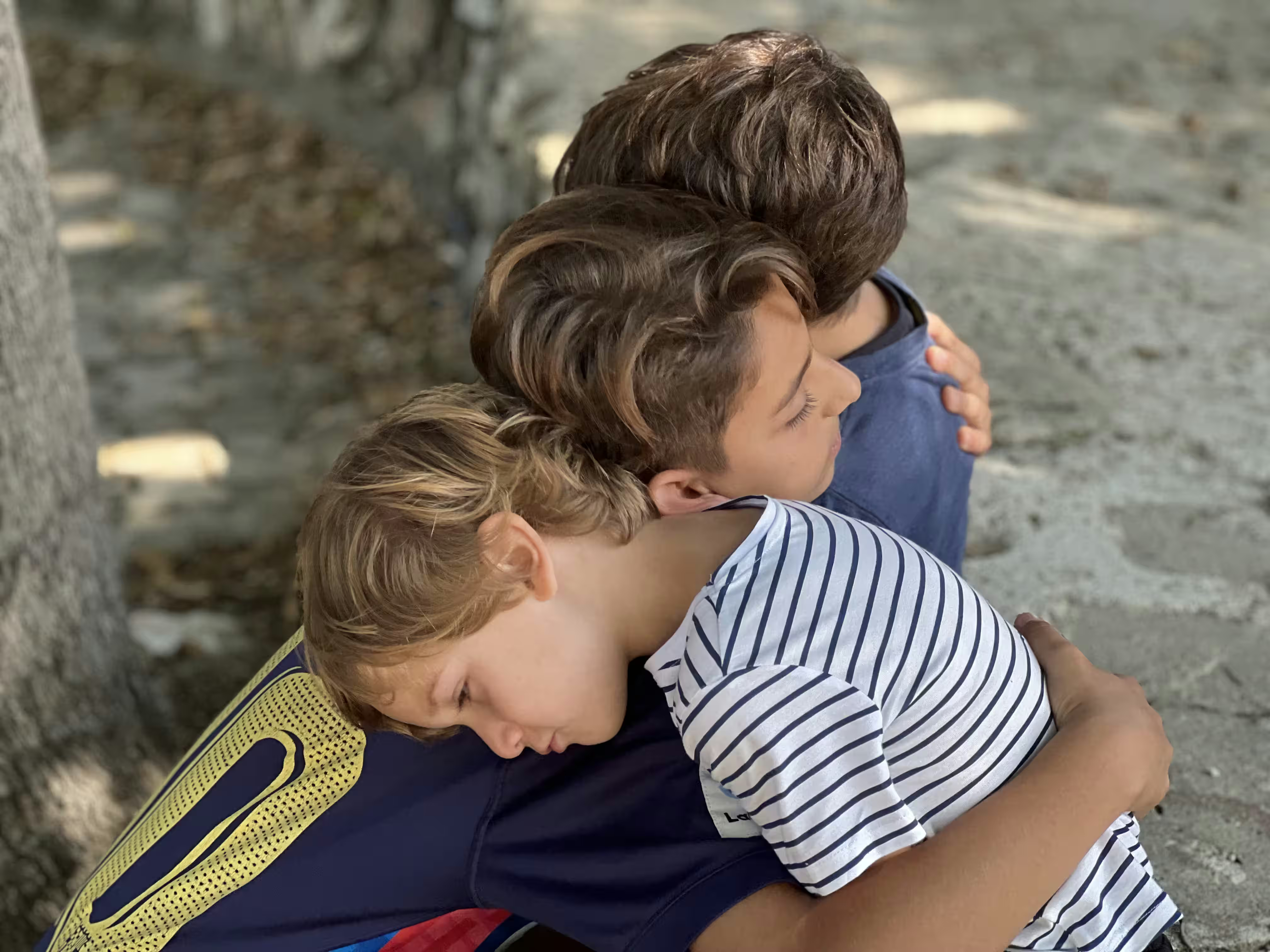
When the safety around a young person is disrupted, care must be rebuilt around them, not placed on them alone. Kids are deeply affected by crisis, and they recover best within families, routines, relationships, and communities equipped to protect and support them.
What realities do children at risk face in MENA?
Across MENA, young people are growing up inside prolonged instability — not a moment of crisis, but years of it. Displacement, conflict, poverty, bereavement, family separation, interrupted learning, and cumulative emotional exhaustion have become the texture of daily life for millions of them. Many have never known a period their family described as safe. Many have grown up learning fear before they ever understood peace. These compounding pressures increase risks of child labor, early marriage, exploitation, neglect, abuse, exclusion, and untreated trauma that can shape an entire life trajectory.
EMERGE does not present kids through harm alone. This page shows how care can be rebuilt around them with dignity, safety, and continuity.
Who are the children at risk we work with?
- •Refugee and displaced young people.
- •Orphaned and separated kids, including those in kinship or alternative care.
- •Boys and girls with disabilities or developmental needs.
- •Sons and daughters of survivors of violence or family disruption.
- •Minors affected by grief, detention, missing caregivers, or household instability.
- •Adolescents at risk of early marriage, child labor, exploitation, or exclusion.
How does EMERGE respond?
EMERGE does not treat work with young people as a stand-alone activity. Its child and family approach strengthens the protective environment around them through safe spaces, child-focused psychosocial support, caregiver strengthening, protection awareness, referral, and practical aid where available.
Safe and nurturing spaces
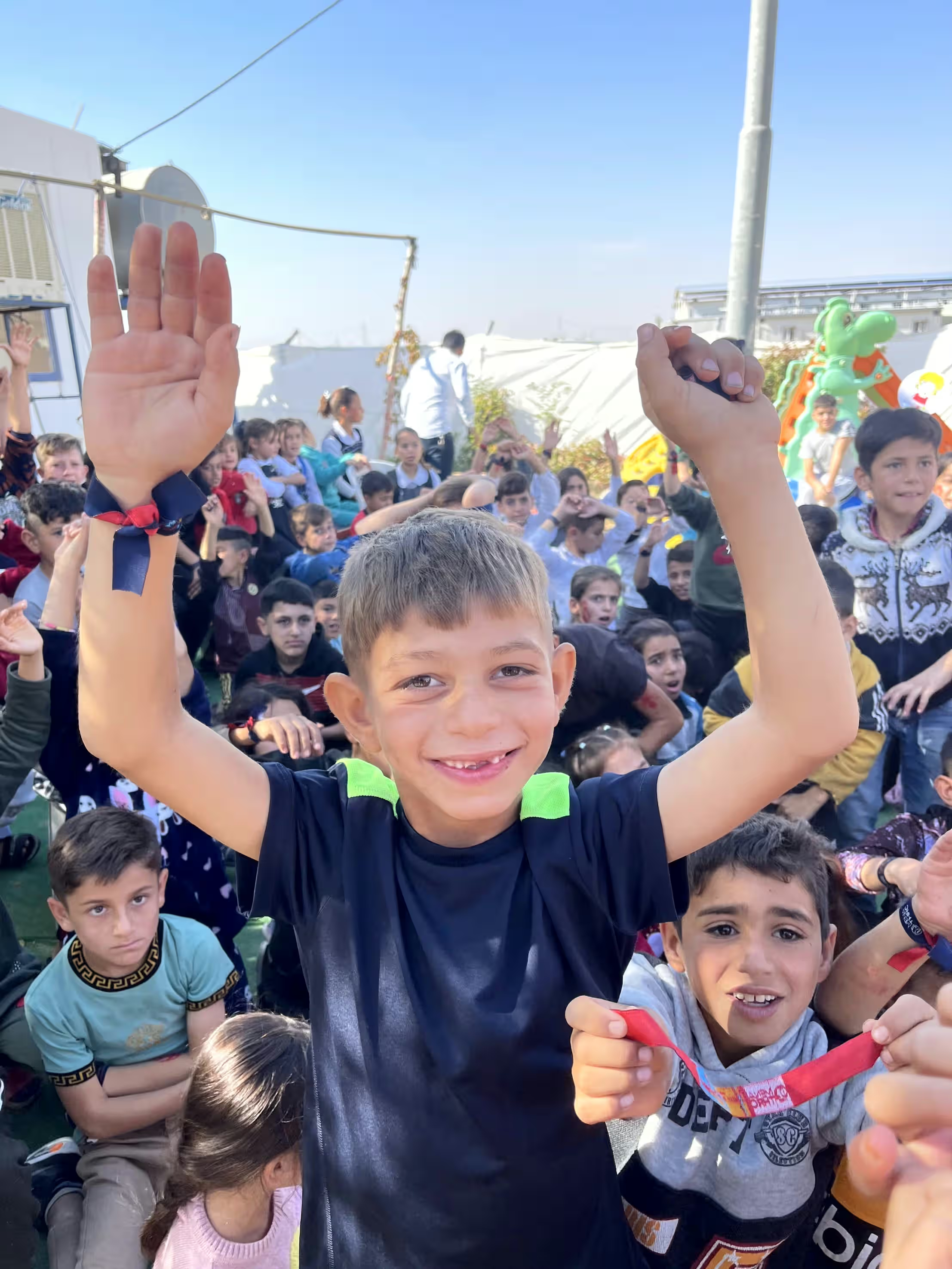
Structured, supervised spaces where young people can play, learn, express themselves, rest, and reconnect with routine. Activities are facilitated by trained adults, safeguarded, and linked to follow up when distress or risk is identified.
Child focused psychosocial support
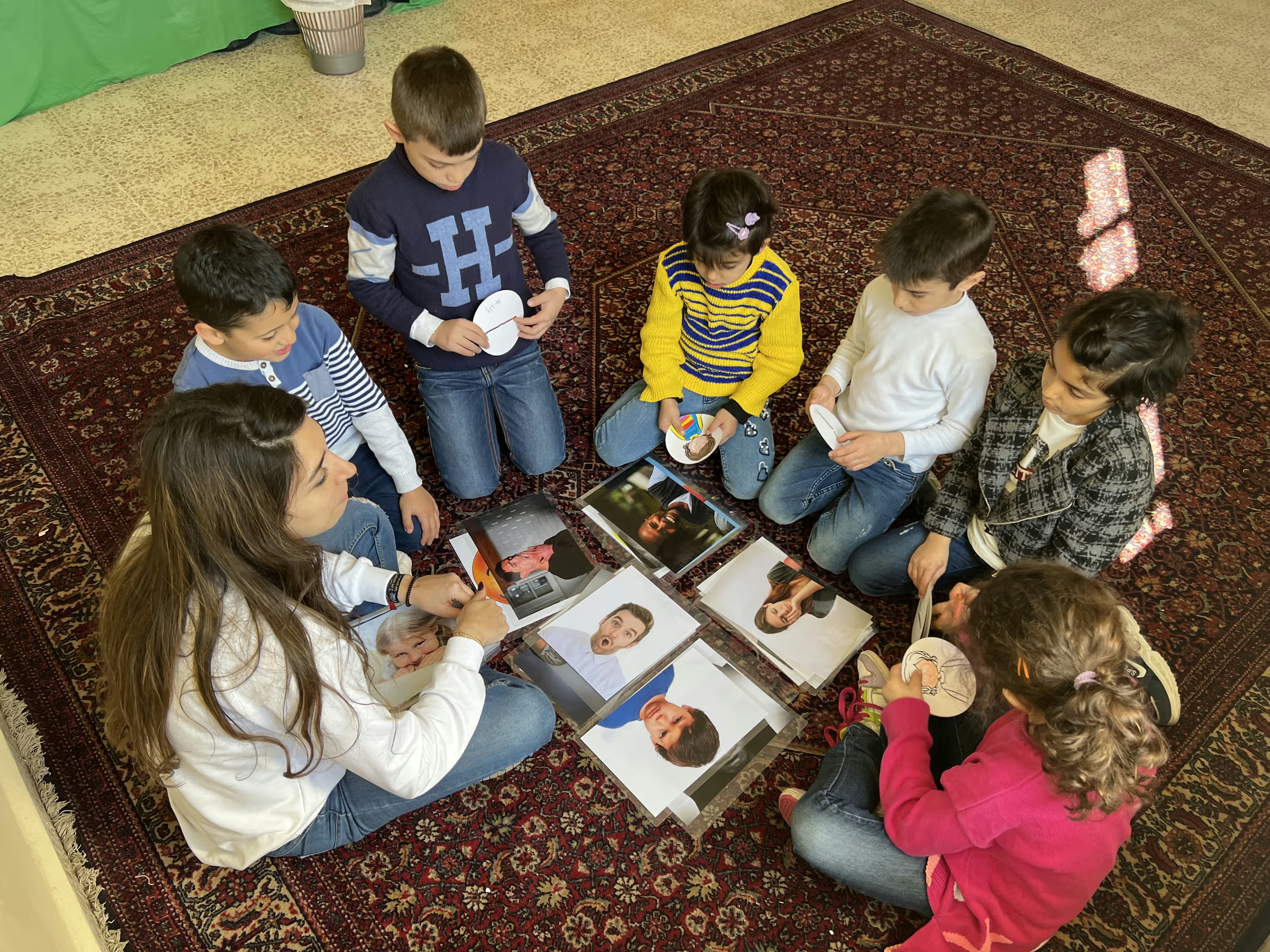
Age-appropriate group and individual sessions help kids rebuild routine, express emotions safely, strengthen relationships, and access referral when additional care is needed.
Caregiver and family strengthening
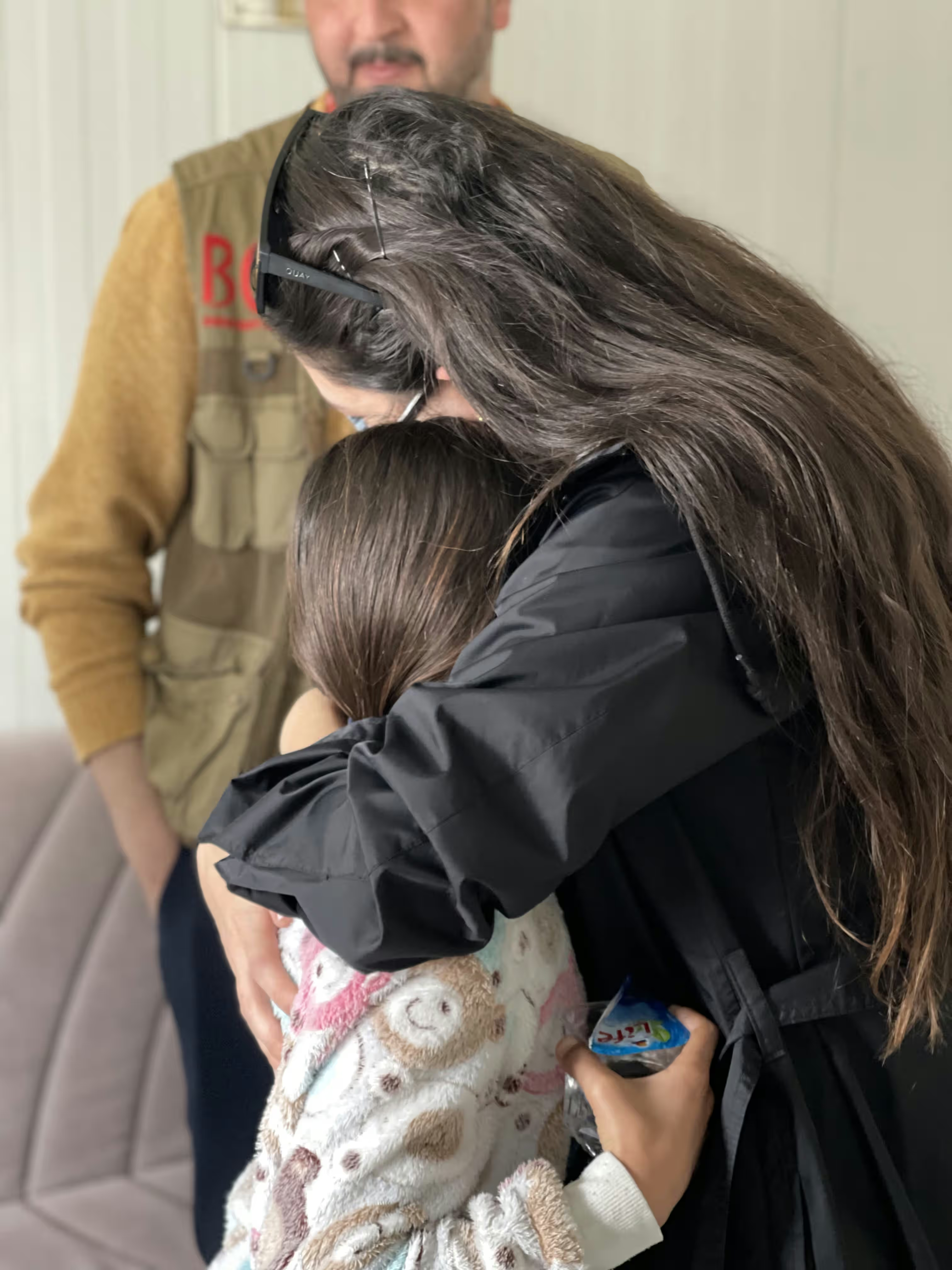
Kids recover within relationships. EMERGE equips parents, grandparents, foster carers, kinship carers, teachers, and facilitators to recognize distress, respond calmly, and strengthen safer conditions around them.
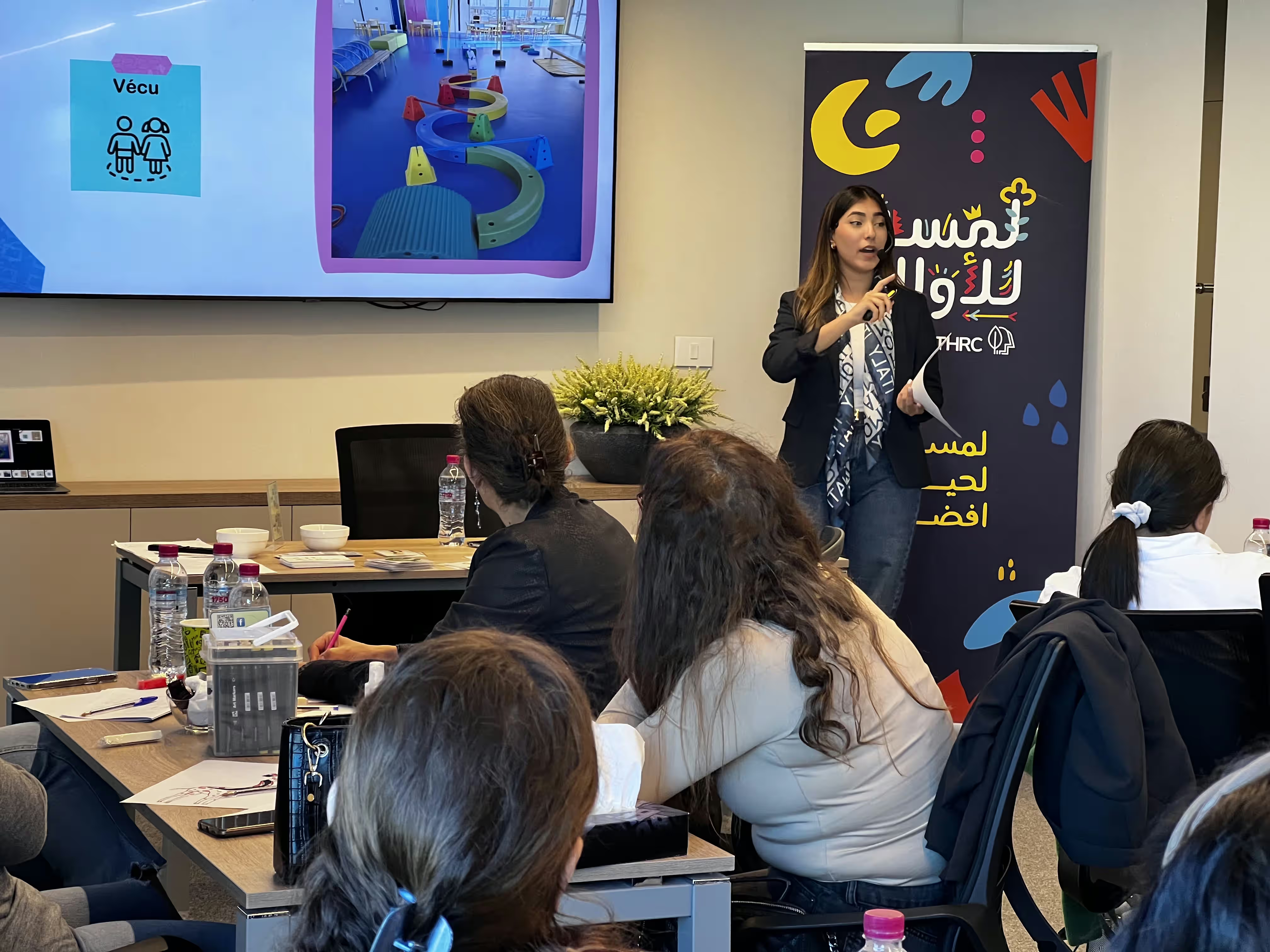
Child protection awareness and safe referral
EMERGE equips the adults around young people to recognize signs of abuse, neglect, exploitation, disability-related barriers, and distress, and to refer safely to specialized services when needed.
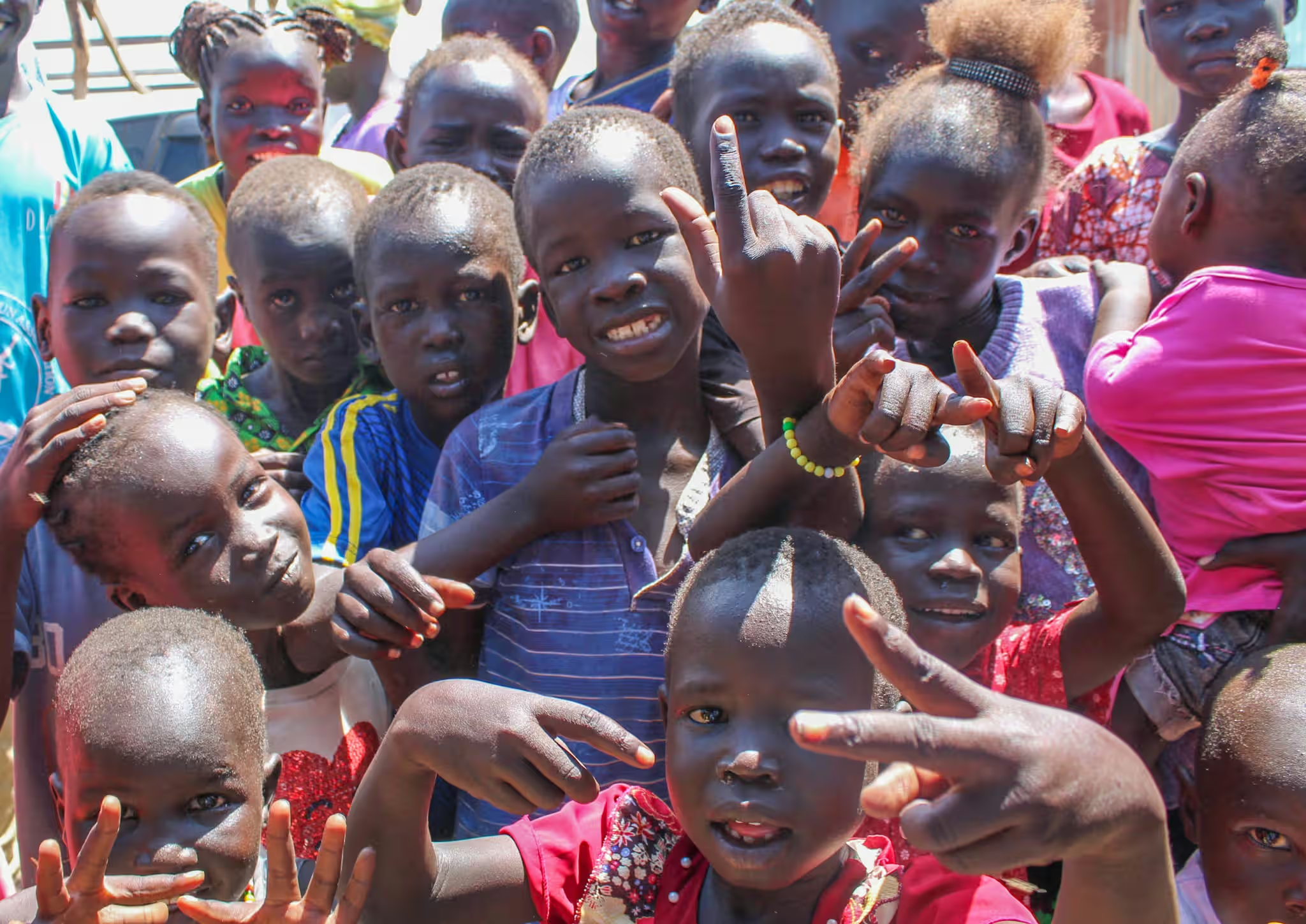
Orphaned and vulnerable young people
Support may include education continuity, psychosocial care, caregiver strengthening, family follow up, and referral.
What changes after care
Young people begin sleeping again. Caregivers understand trauma instead of punishing it. Families communicate differently. Communities become more protective. Schools become safer places for kids to show distress and be seen. These are not outcomes measured in one session. They are the result of someone staying long enough to matter.