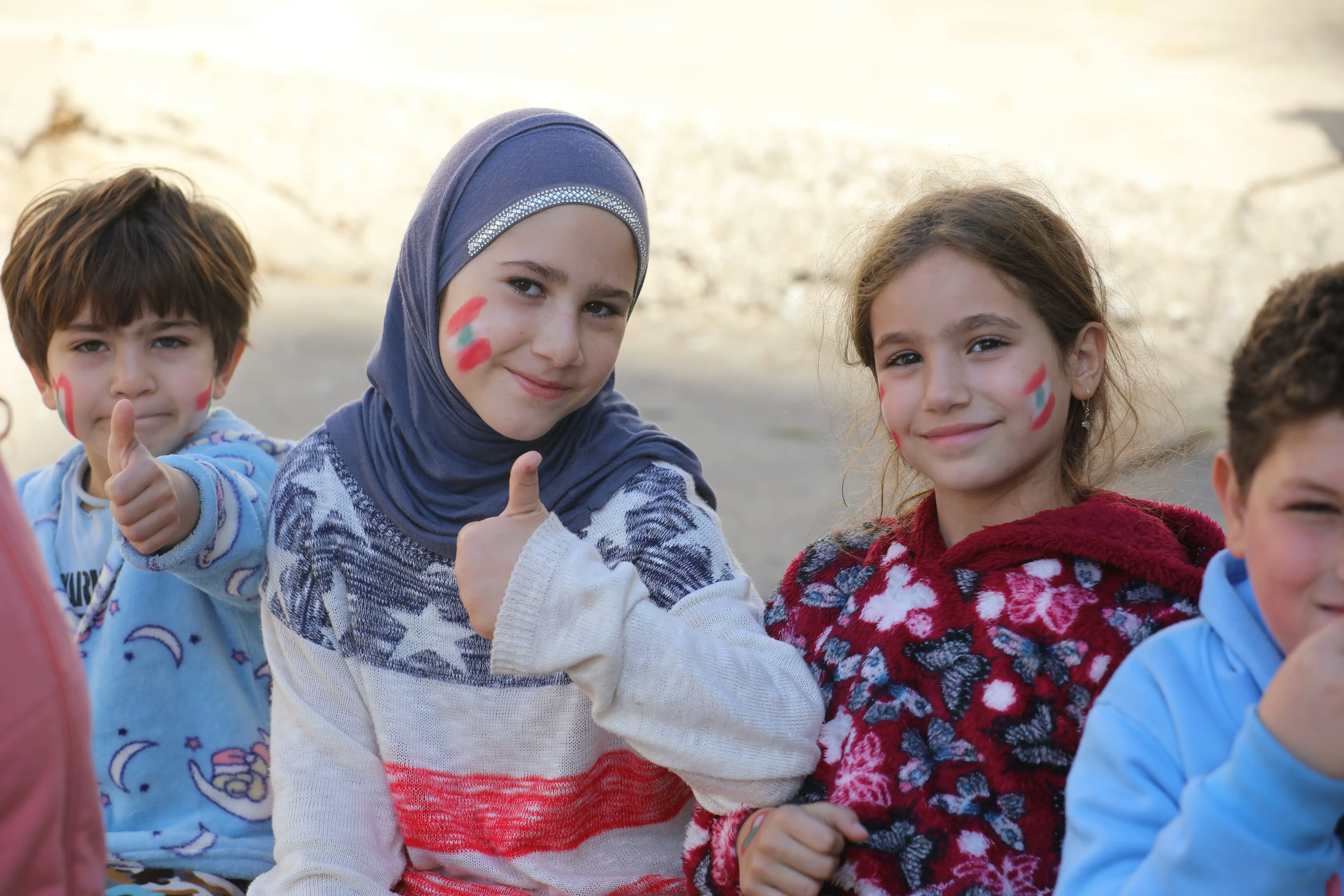
What We Do
Four areas of work. One connected path toward safer recovery.
EMERGE supports people affected by crisis through practical assistance, protection-sensitive support, Mental Health and Psychosocial Support, child and family care, training, and recovery pathways led by practitioners rooted in the region and trusted by local communities. The crisis ends in the news long before it ends in the home. These four areas help families move from immediate pressure toward safer, more stable support over time.
This page explains the work people experience. The How We Do It page explains the systems that keep the work safe, consistent, and accountable.
At a Glance
10,700+
refugees, displaced families, and vulnerable people served
2,800+
practitioners and leaders trained in trauma-informed care — each one another safe adult a child can turn to
2,770+
counseling and therapy sessions delivered
36M+
media views across Arabic-speaking communities
285+
local and regional partners across MENA
"What people need is not a single intervention. What they need is for someone to still be here next year."
— EMERGE counselor, Lebanon
Four areas, one compassion
Children recover through relationships. Families heal when pressure reduces enough to breathe. Communities become safer when the adults inside them are equipped. Recovery becomes possible when fear is no longer constant.
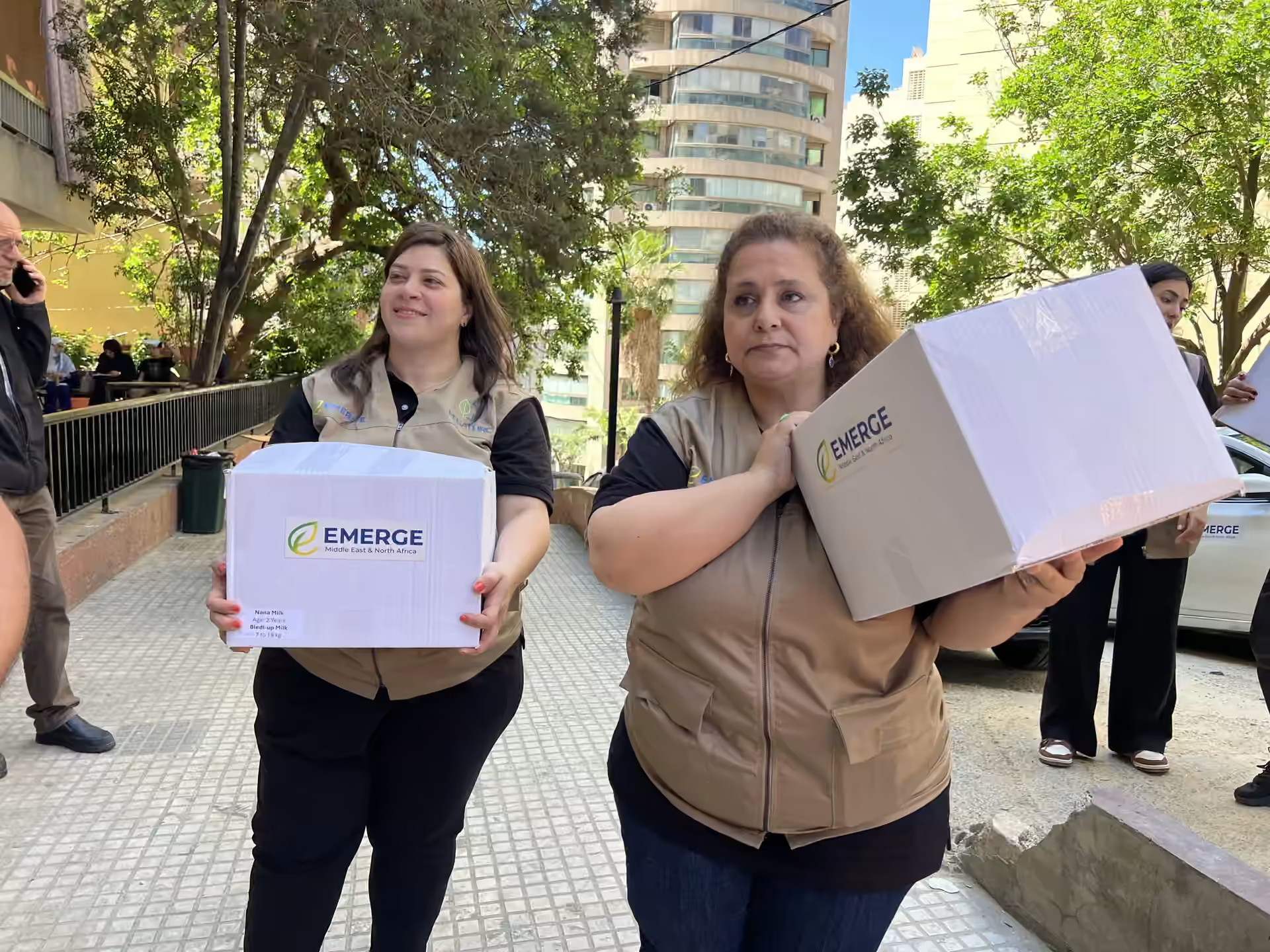
"When the trucks stopped coming, we kept showing up."
Crisis Response and Protection
When crisis hits, safety and dignity come first.
EMERGE helps refugees, displaced families, and crisis affected communities meet urgent needs, reduce risk, and connect to safe support pathways. Particular attention is given to children, women and girls, persons with disabilities, older people, and others facing heightened protection risks.
What this looks like
- •Emergency relief that helps a family eat, stay clean, and find basic safety — so recovery can begin.
- •Protection-sensitive support that sees the heightened risks facing women, children, and displaced families — and opens safe pathways before harm deepens.
- •Psychosocial first response that helps a frightened family feel less alone in the first dangerous days.
- •Safe referral that opens the next door when a family needs ongoing support — because care should not stop when the emergency does.
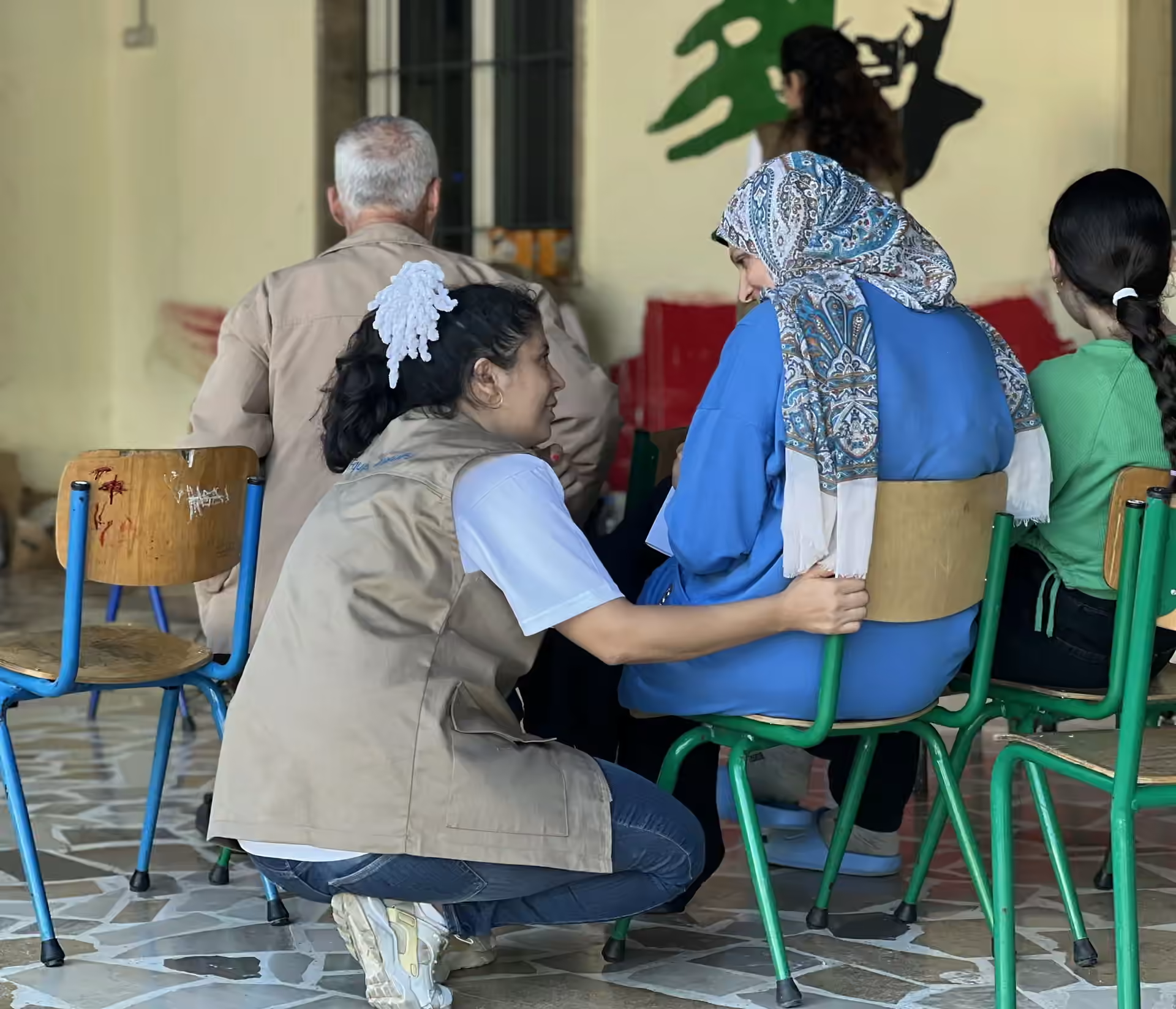
"The first time she cried, it was safe to cry."
Mental Health and Psychosocial Support
Care begins when people can speak safely and be heard with dignity.
Through Arabic-speaking, licensed trauma-specialist therapists and trained and supervised psychosocial support providers, EMERGE provides online therapy, a clinical centre in Lebanon, and community-based group care across MENA. Care that stays alongside each person and responds to what they need most.
What this looks like
- •One-to-one counseling where grief, fear, and trauma have a safe place to land — in Arabic, with a therapist who understands the context.
- •Online care that reaches people who cannot travel, cannot afford in-person support, or cannot safely ask for help publicly.
- •Group support that reduces isolation, builds shared understanding, and helps people realize they are not carrying their pain alone.
- •Specialized trauma healing through THRC that ensures every care pathway is safe, supervised, and built to go deeper when needed.
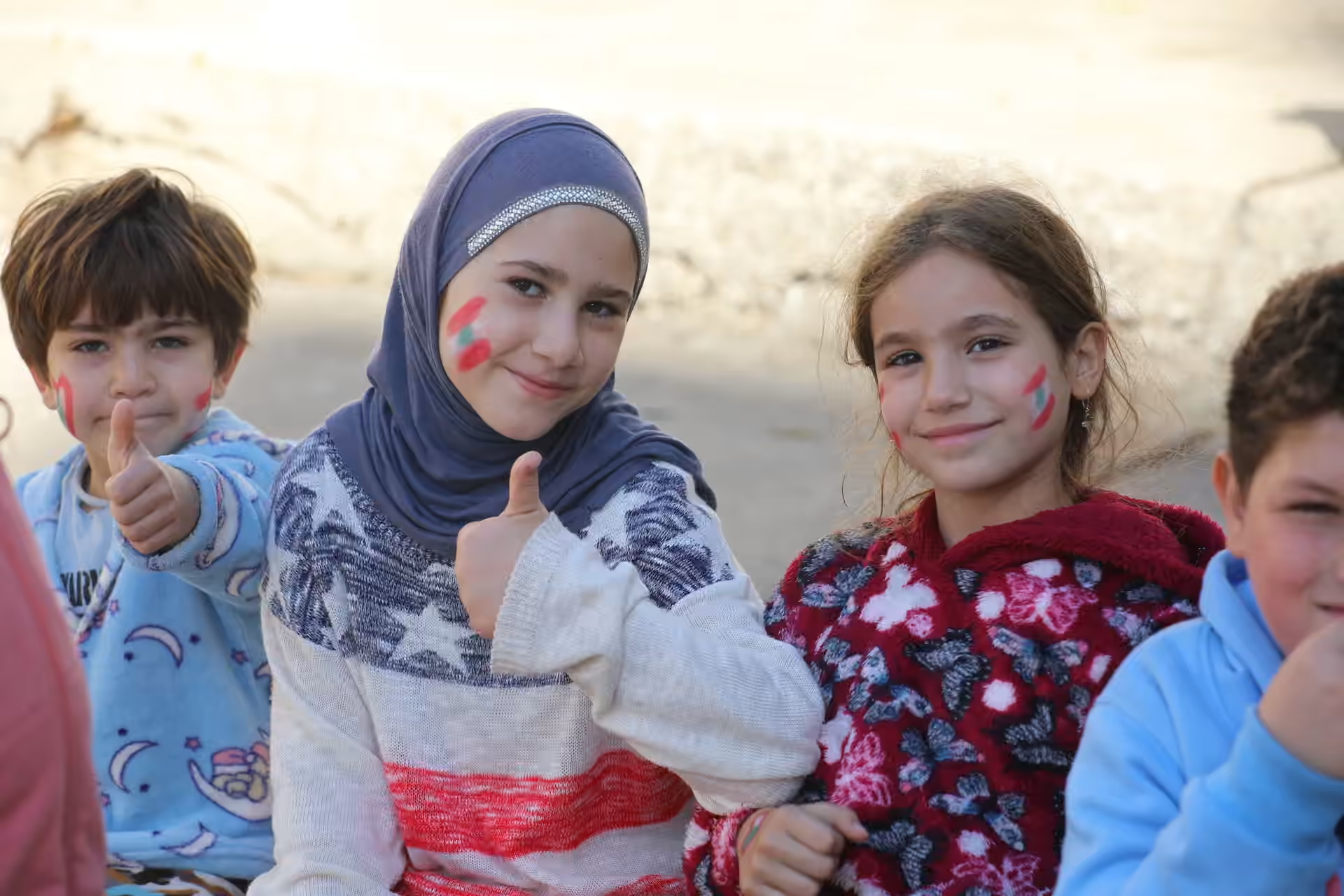
"Child Development and Family Support."
Child Development and Family Support
Children recover best when the adults around them are supported too.
Children need safe spaces, supported caregivers, and adults around them who know what to do. EMERGE provides child-focused psychosocial support and equips the parents, teachers, and frontline workers already in their lives — so children recover within communities that are better prepared to protect them.
What this looks like
- •Safe spaces where children can play, express emotions, and slowly remember what routine and belonging feel like.
- •Child-focused support that helps children name fear, rebuild trust, reconnect with learning, and feel safe again.
- •Caregiver strengthening that equips parents and caregivers under pressure to respond with greater calm, confidence, and consistency, helping children recover within safer and steadier relationships.
- •Child protection awareness that equips every adult around a child to recognize distress and refer safely before harm deepens.
- •Support for orphaned and vulnerable children that keeps them connected to learning, care, and trusted adults — even after family separation.

"A sewing machine. A small shop. A family beginning again."
Economic Recovery and Stability
Recovery is emotional, practical, and economic.
Crisis disrupts income, housing, education, food, health, safety, relationships, emotional wellbeing, and the ability to plan. EMERGE helps families reduce pressure, protect dignity, and connect to practical support and referral pathways.
What this looks like
- •Practical assistance that reduces the daily math of survival — so a parent can stop calculating and return to parenting.
- •Skills and livelihood pathways that help people move from surviving day to day toward building something more stable.
- •Targeted support for women, youth, and caregivers carrying impossible household pressure — because families can only recover when the people holding them together are supported too.
- •Support that keeps schools and community institutions open during crisis — because children cannot rebuild routine when every structure around them collapses.
How the 4 Areas Work Together
People rarely experience crisis in one category. A family may need urgent assistance, child support, counseling, caregiver guidance, and help reducing household pressure at different points in the same recovery journey. These are not four departments. They are four forms of the same commitment — to stay with a person, with dignity, through the whole arc from danger to recovery.
EMERGE's role is not to keep people inside programs. Its role is to keep support safe, connected, appropriate, and accountable as people's needs change.